
Hyperparathyroidism Care
Expert diagnosis and minimally invasive surgery for parathyroid disease in South Florida.
Parathyroid disease occurs when one or more of the four glands in your neck make too much or too little parathyroid hormone, which helps regulate calcium levels in your blood. If you have hyperparathyroidism, our expert team is here to help you get the care you need.
What Do the Parathyroid Glands Do?

You have four parathyroid glands that sit just behind the thyroid gland in your neck. The job of these glands is to produce and release parathyroid hormone (PTH).
PTH helps regulate the amount of calcium in your body. When the parathyroid glands are functioning properly, they release just the right amount of PTH to maintain a balance of calcium in the blood. This balance helps keep bones healthy and kidneys working as they should.
What Is Hyperparathyroidism?
In people with hyperparathyroidism, one or more parathyroid glands become overactive. That means the gland produces too much PTH.
In most cases, an overactive parathyroid gland is the result of a non-cancerous (benign) tumor. Less commonly, excess PTH can result from two or more enlarged parathyroid glands (hyperplasia). Very rarely, it's a sign of parathyroid cancer.
Parathyroid disease is nearly twice as common in women. Rates for both men and women increase significantly after age 60.
Symptoms of Parathyroid Disease
When the body senses excess levels of PTH, it responds by sending more calcium into the bloodstream. It does this mainly by drawing calcium out of your bones, which then collects in your blood.
High levels of calcium in the blood, called hypercalcemia, can result in a variety of symptoms and health issues, including:
- Constipation
- Increased thirst and urination
- Kidney stones
- Loss of bone density
- Muscle weakness
Diagnosing and Treating Hyperparathyroidism
Our endocrine surgery team has the expertise you need to effectively treat hyperparathyroidism. We routinely perform hundreds of parathyroid surgeries each year. That high volume, combined with specialized care from some of the area’s top endocrine surgeons, results in deep experience and excellent outcomes for our patients.
The first step in treating parathyroid disease is an accurate diagnosis. In most cases, simple blood tests help identify the condition.
If you have high levels of PTH and calcium in the blood, you likely have hyperparathyroidism. But the disease isn't always that obvious. In some cases, you may have high PTH but normal calcium levels or the opposite. Working with endocrine experts who see this condition daily is the key to an accurate and timely diagnosis.
Not everyone with an overactive parathyroid gland needs surgery. Our endocrine specialists put together an individualized care plan based on your specific condition, symptoms, age and overall health.
If you do require parathyroid surgery, you're in good hands. Our endocrine surgeons use the most advanced, minimally invasive methods to safely remove the affected glands and restore healthy PTH levels.
Surgery to remove one or more parathyroid glands is called a parathyroidectomy. Our minimally invasive techniques require only small incisions — typically an inch or less. This leads to fewer complications, faster healing and almost no visible scarring.
Before surgery, we use imaging tests, such as a neck ultrasound or a highly detailed CT scan, to pinpoint the location of the parathyroid tumor.
We also use intraoperative PTH testing during surgery. Five minutes before and after removing a tumor in one gland, we check PTH levels in the blood. If the numbers drop, we know we’ve effectively removed the overactive gland.
If PTH levels don’t drop after removing one gland, we switch gears to a procedure called four-gland parathyroid exploration. This procedure allows us to see all four parathyroid glands, checking for and removing any tumors.
Most patients return home the same day as their surgery, with only mild neck pain or a sore throat. You should be able to eat and drink normally right away. Full recovery takes an additional one to three weeks.
As PTH and calcium levels return to normal, you'll start to see an improvement in hyperparathyroid symptoms. We’ll continue to monitor PTH and calcium levels, prescribing additional treatment or testing as needed.
Hyperparathyroidism Care: Why Choose Memorial Healthcare System?
-

Early, accurate diagnosis
We use a combination of laboratory testing and advanced imaging to give you a precise diagnosis as quickly as possible. -

Unique team approach to treatment
Our integrated treatment model lets you consult with an endocrinologist and endocrine surgeon at the same time for comprehensive care in a single visit. -

Precise surgical techniques
We routinely test PTH levels throughout surgery for more accurate and thorough gland removal. -

Expert care where you live
When your local endocrine team is also the most experienced team, you benefit from exceptional care, close to home.
To make an appointment or for more information, call:
954-265-0000Related Providers
-


 David Bimston, MD Endocrine Surgery
-
 Allan Golding, MD Interventional Endocrinology, Imaging Endocrinology
-
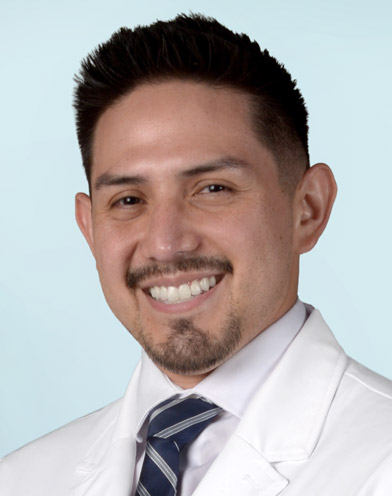 Jhonatan Rivera-Mora, MD Interventional Endocrinology, Imaging Endocrinology
-
 Daniela Treitl, MD Endocrine Surgery