
Endocrine Surgery: Diagnosis and Treatment
We offer testing, therapy and minimally invasive surgery for thyroid, parathyroid and adrenal disorders.
Endocrine disorders affect the thyroid, parathyroid and adrenal glands. Our medical and surgical partnership model means you have both an endocrinologist and an endocrine surgeon guiding every step of your treatment journey. Working as a team, they perform necessary imaging and testing, then create a detailed treatment plan.
Diagnosing Endocrine Disorders
The first step in endocrine care is an accurate diagnosis of the condition. Endocrine disorders can be difficult to diagnose. But with an experienced team by your side, you’ll get fast, precise answers that allow you to move forward with care.
We offer advanced imaging and testing options including:
- Blood tests: Simple lab tests can measure hormone levels in the blood. Abnormal levels can signal a problem in the thyroid, parathyroid or adrenal glands.
- CT or MRI scan: These imaging tests may be used as a first step in your diagnosis.
- Neck ultrasound: We use advanced, high-resolution ultrasound technology that allows us to accurately locate and clearly visualize thyroid and parathyroid tumors.
- Image-guided needle biopsy: If imaging tests find a larger nodule or one that may be cancerous, we perform a biopsy during that same visit. We use ultrasound to help ensure accurate sampling from the nodule.
- Molecular testing: We use advanced molecular testing on thyroid nodules that may be cancerous. By analyzing the tumor’s DNA, we can determine the cancer type and whether you need a full or partial thyroid removal. These detailed test results can also help people avoid unnecessary surgery.
Non-Surgical Endocrine Treatments
If you have a non-cancerous (benign) thyroid nodule that's not causing any symptoms, you likely don't need any treatment. Instead, your doctor may recommend monitoring it for changes. Typically, we only recommend therapy for benign nodules that affect your appearance, or those that are growing rapidly and may interfere with breathing or swallowing.
Nodules that need care don’t always require surgical removal. Our team includes interventional endocrinologists who use advanced, image-guided therapies to treat non-cancerous thyroid nodules.
Non-surgical therapies include:
- Chemical ablation: We use this procedure to treat fluid-filled, non-cancerous thyroid nodules. First, the endocrinologist drains the excess fluid. Then, they inject an ethanol solution into the nodule to shrink it and prevent recurring fluid buildup.
- Radiofrequency ablation (RFA): We use RFA to shrink solid, non-cancerous thyroid nodules. The doctor inserts a needle probe into the thyroid nodule. The probe emits heat that burns and destroys enlarged tissue.
Minimally Invasive Endocrine Surgery
When surgery is required, our skilled endocrine surgeons use minimally invasive techniques that reduce complications and help you heal more quickly. These advanced procedures require only tiny incisions.
Our techniques result in fewer complications than “scarless” transoral (through the mouth) and transaxillary (through the armpit) approaches. We strategically hide the tiny incisions in the natural skin lines of the neck for virtually scarless results.
We may perform minimally invasive surgeries using a laparoscope (small instrument with a light and camera) or robot assistance. Robot-assisted technology can be a valuable tool in the hands of a skilled surgeon.
For certain procedures, such as adrenalectomy, a surgical robot can help the surgeon gain easier access to the gland. The procedure results in faster, more precise removal, with less pain and fewer complications for the patient.
Minimally invasive endocrine surgeries we offer include:
- Adrenalectomy: Treats conditions such as adrenal tumors by removing one or both adrenal glands.
- Four-gland exploration for parathyroid glands: Lets the surgeon examine all four parathyroid glands and remove any that are overactive.
- Parathyroidectomy: Treats hyperparathyroidism by removing one or more overactive parathyroid glands.
- Thyroid lobectomy: Removes half of the thyroid gland (one lobe) and leaves the other half in place.
- Total thyroidectomy: Removes the whole thyroid gland. You may need hormone replacement medication afterward.
What to Expect Before, During and After Endocrine Surgery
On the day of your surgery, our interventional endocrinologist uses ultrasound to provide surgeons with real-time imaging of the thyroid, parathyroid or adrenal gland. Your surgeon uses these detailed images to plan the safest, most effective surgery.
During minimally invasive endocrine surgery, you're typically under general anesthesia (fully asleep). To ensure your safety and improve outcomes, we use advanced monitoring techniques during surgery, including:
- Intraoperative recurrent laryngeal nerve monitoring: The recurrent laryngeal nerve helps control the vocal cords. We continuously monitor its function throughout surgery to prevent injury and protect your voice.
- Intraoperative parathyroid hormone (PTH) testing: During parathyroid surgery, we repeatedly test PTH levels circulating in the body. Doing so helps us pinpoint which parathyroid gland (or glands) need to be removed.
We typically perform minimally invasive procedures as outpatient surgery. Most people can return home the same day — often within just a few hours after surgery. You may experience mild sore throat and neck pain that resolve after a week or two.
Your endocrinology team continues monitoring you after surgery. You will see us for ultrasounds and other imaging tests, as needed, to check for any recurrence. Depending on which gland was removed, you may also need hormone replacement medication.
Diagnosing and Treating Endocrine Disorders: Why Choose Memorial Healthcare System?
-

Fast, accurate diagnosis
The quicker we can pinpoint the concern, the sooner we can get you back to your best health. -

Advanced non-surgical treatments
Innovative therapies make surgery unnecessary for many thyroid conditions. -

Virtually scarless endocrine surgery
Our careful placement of incisions and minimally invasive techniques leave behind almost no signs of surgery. -

World-class care close to home
You benefit from an expert team with decades of combined experience treating common and complex endocrine disorders.
To make an appointment or for more information, call:
954-265-0000


Related Providers
-


 David Bimston, MD Endocrine Surgery
-
 Allan Golding, MD Interventional Endocrinology, Imaging Endocrinology
-
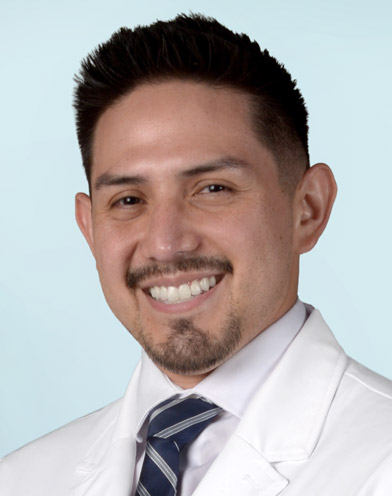 Jhonatan Rivera-Mora, MD Interventional Endocrinology, Imaging Endocrinology
-
 Daniela Treitl, MD Endocrine Surgery